
Our Blogs
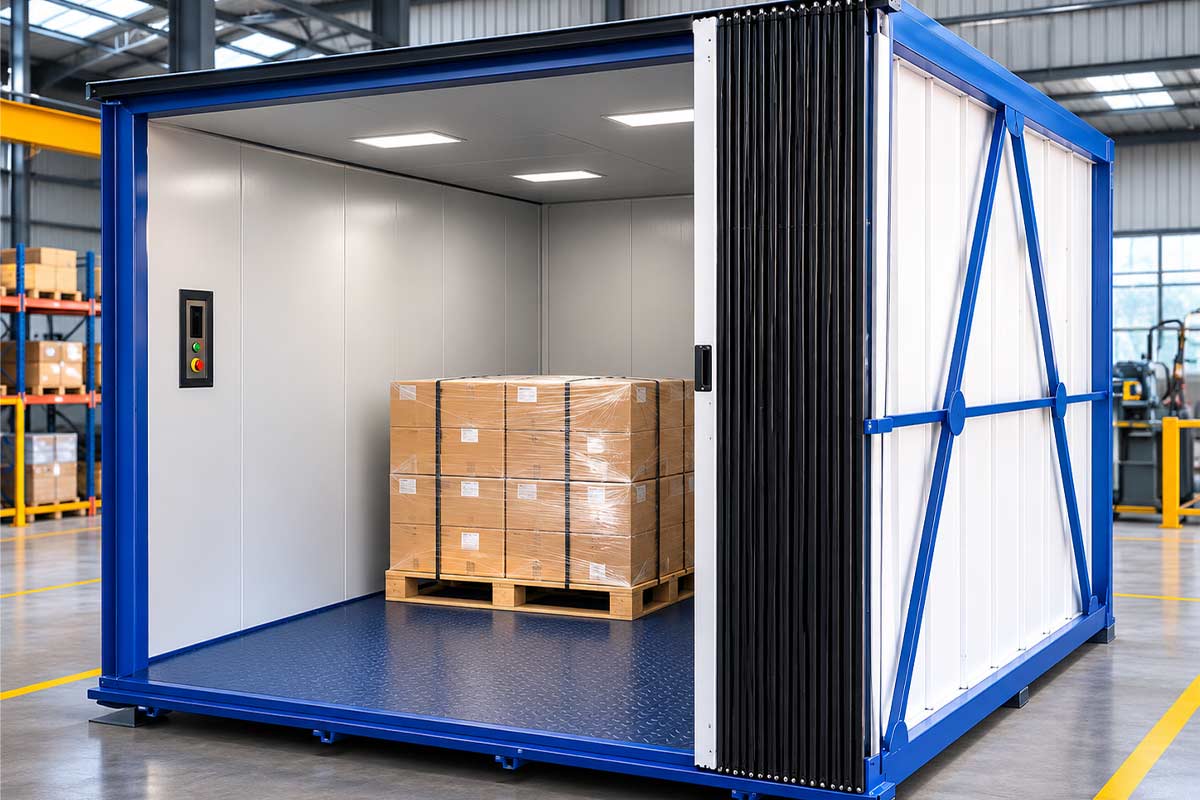
Choosing the Right Goods Lift for Your Factory and Warehouse
Introduction
Moving goods between floors is a routine, in factories and warehouses. A good goods lift can make moving materials easier cut down on effort and save time. When you choose a lift think about how lift will move items how space you have and what kind of goods you will lift.
Understand Your Load Requirements
The first thing to consider is how weight the lift needs to hold. The lift must hold weight. Some factories move heavy machine parts and raw materials while warehouses might deal with cartons, packed products and pallets. The load is important. Choosing the capacity helps the lift handle daily tasks, with these materials without extra stress. It's also important to think about whether the load needs might grow in the future.
Check the Lifting Height
Not every building has the same lifting requirements. Some factories need to move materials between two floors, while larger facilities may require access to several levels. I measure the distance I measure the distance, between the floors where goods have to be moved. I measure the distance carefully to ensure transport. I use this measurement to decide on the lift arrangement and to make sure that materials can reach the required levels without difficulty.
Consider the Available Space
Space can become a problem especially when factories and warehouses are already set up. This leaves room for equipment or any changes that might be needed. Space is hard to find when everything is already packed in. Before I install a goods lift I check the floor space. I also check the height of the ceiling. I want the goods lift to fit and work safely. The goods lift must fit properly into the building design. It should not get in the way of the work being done. Discussing these measurements during the planning stage can help avoid installation problems.
Choose a Lift Based on Your Materials
I see that the type of goods handled also matters. Small boxes are goods that may not need a platform size the same as goods that're large machine components or palletized materials. Think about how things will be put on and taken off. If workers use carts or pallet jacks the area needs to have space, for movement. A custom elevator that is built to match the needs of your job can help you save time while you are working on tasks.
Never Ignore Safety Features
Safety matters a lot when you pick a goods lift for your factory or warehouse. I find Safety so important. Regular inspections and proper maintenance also help keep the lift in good working condition and ensure safer material handling. I believe the lift must be installed following all safety rules. The lift must also be installed according to all safety rules. Regular inspections and quick maintenance are just as important to keep the lift working.
Look Beyond the Initial Cost
Purchasing a goods lift is a long‑term investment. When a goods lift is bought the purchase price is the beginning. A good goods lift also needs installation costs, electricity usage, spare parts and regular servicing. Before you make a decision it is best to ask the supplier about warranty coverage. Ask the supplier about, after sales support. After sales support is very important. A good supplier, with warranty coverage and strong after sales support can reduce downtime and keep your work moving.
Conclusion
When I choose a goods lift I find goods lift easier if I know my workload the space I have and the types of materials I need to move. Taking time to think about these things before I buy helps me pick the goods lift that suits my factory or warehouse. I need a goods lift that fits my needs and a reliable Crane Manufacturer in Coimbatore can help me find that goods lift.
